

I Rushed. I Cried. I Learned: My Top 10 Hardest Sororities To Get Into

Hey, I’m Kayla. I went through recruitment at a big SEC school. Later, I helped with rush as a Pi Chi on two campuses in the South and one in Texas. This list is from that time, plus what I saw with my own eyes. Hard doesn’t mean “better.” It just means lots of interest, lots of legacies, and not enough spots. And yes, it changes by campus.
I’ve since shared an even deeper dive—including extra anecdotes, stats, and reader Q&A—over on Popdex’s extended feature if you want to explore further.

You know what? I still remember my white sneakers squeaking on those marble floors. I can still feel the heat from those August days. I kept a tiny fan in my bag like it was gold.

Quick note before we start: every chapter is different at every school. I’m sharing real examples I saw, with real chapters and places.
For broader insights into how sorority trends shift on campuses across the country, take a peek at Popdex where the latest buzz gets tracked in real time. And if you're wondering which campuses even have the widest Greek scenes to begin with, check out this list of colleges with the most sororities to see how your school stacks up.

1) Phi Mu — University of Alabama

I got cut after Philanthropy round here, and I was crushed for about… three hours. Then I ate mac and cheese and felt human again. Phi Mu at Bama draws huge interest. Lots of legacies. Lots of clean lines and pink bows. The return rate felt wild. My roommate had perfect grades and great rec letters, and even she felt the pressure.

2) Kappa Delta — University of Georgia

At UGA, KD was a mountain. Polished, very campus involved, and they knew exactly what they wanted. I helped counsel PNMs the next year. Letters helped. So did a strong first round. A girl I coached, Mia, had a solid service resume and a chill vibe. She made it to Pref and cried happy tears in the stairwell. I brought tissues. Twice.

3) Kappa Kappa Gamma — SMU

Kappa at SMU felt like a runway and a reunion at the same time. So many legacies. Conversations moved fast, like speed dating with bows. I watched a PNM named Harper, who had a quiet charm, make it deep because her rec writers knew her well. It wasn’t luck. It was fit and timing.

4) Delta Delta Delta (Tri Delta) — University of Texas at Austin

UT rush moves quick, and Tri Delta is a hot ticket. Smart girls. Sharp conversations. One tiny detail can carry weight. A friend of mine had a St. Jude fundraiser on her resume, and it actually mattered. She lit up when she talked about it. That spark? People can feel that.

5) Pi Beta Phi — USC (Southern California)

Pi Phi at USC felt glossy. Think game days, good grades, and big energy. I remember a girl with a calm voice and a tennis sunburn. She talked about reading with kids at a local school. It grounded the chat. Later she said, “I think they saw me.” That stuck with me.

6) Chi Omega — University of Arkansas

This is Chi O’s birthplace, so yeah, it’s a thing. I saw PNMs who were legacies, littles who grew up wearing hoot owl socks, and girls who knew chapter songs since middle school. If you got a late round invite, you knew it meant something. I love their Bid Day on the lawn—music, moms, and so many happy hugs.

7) Zeta Tau Alpha — Florida State University

ZTA at FSU felt bright and bold. I watched a PNM, Jayla, tell a short, real story about her aunt’s breast cancer. She didn’t make it heavy. Just honest. It clicked. Those moments matter when rooms are loud and the schedule is packed. Oh, and wear comfy shoes. Trust me.

8) Delta Gamma — Ole Miss

DG at Ole Miss had tight lists and clean cuts. I sat with a PNM who got dropped there and thought it was her. It wasn’t. It was numbers. So many PNMs. So few slots. Later, she pledged another house and found her bridesmaids there. Funny how that works, right?

9) Alpha Chi Omega — Auburn University

AXO at Auburn was steady and selective. Strong grades helped. Confidence helped more. I liked how their conversations felt balanced—some light, some real. A PNM I guided had a music background and talked about stage nerves. It broke the script, in a good way.

10) Alpha Phi — Indiana University

IU’s rush has its own rhythm. Alpha Phi there pulls huge interest. I saw fashion-forward looks, yes, but also sharp, quick chats. A friend said, “I blinked and the round was over.” If you felt good walking out, that meant something, even if the card later said no.


So… what actually makes a chapter “hard” to get?

  • High return rates (lots of PNMs want them).
  • Legacy pull (moms, sisters, grandmas).
  • Campus culture (some houses just “fit” the school’s vibe).
  • Strong rec letters with real details, not fluff.
  • Clean, confident first rounds.

Want to geek out on the numbers? The interactive charts in College Transitions’ Greek-life database break down participation rates, average chapter sizes, and more so you can see the math behind the madness.

What helped me (and my girls) most

  • Be warm in the first 30 seconds. Eye contact, name, smile.
  • Tell one short story that shows who you are.
  • Keep your resume simple. Two or three things you can talk about.
  • Bring water and a snack. Low blood sugar turns sweet people spicy.
  • Ask a real question you care about, not just “What’s your philanthropy?”

A small sidenote: I once wore new sandals on Preference. They squeaked. Loud. A sister laughed with me, not at me, and I exhaled. Little human moments go far.

When recruitment events wrap for the night, plenty of PNMs still want a low-key way to meet people beyond the Greek bubble. If that sounds like you, check out FuckLocal's free dating page where you can create a profile and message nearby singles at no cost—handy if you’d rather save your budget for matching bid-day tees.

If your post-rush adventures land you up north in Hudson and you’re curious about exploring a more inclusive nightlife vibe, you can browse the welcoming, trans-friendly companion listings on TS Escort Hudson for a discreet, pre-screened meet-up that lets you set the pace and feel completely at ease. The verified profiles and upfront details make it easy to find someone who matches your interests, so you spend less time scrolling and more time actually enjoying your night out.

Final thoughts from a girl who’s been there

Some of these chapters cut me early. Some asked me back. Both felt scary. I still found my people. You will too. You know what? The right porch light feels warm the second you step in. And if one door closes, it just means you’ll walk through the one that’s meant to stay open.
The Best Fertilizer for Bermuda Grass (From My Yard, My Hands)

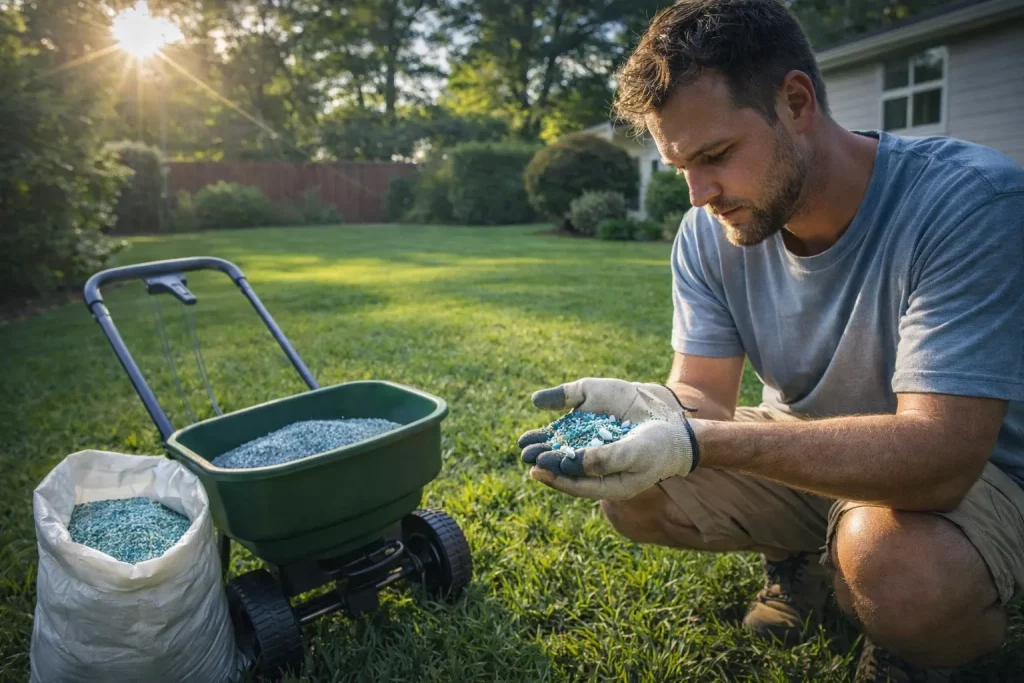
I’m Kayla, and I’m picky about grass. I live in a hot place with full sun most days. Bermuda is my lawn of choice. It’s fast. It’s tough. But it’s hungry. I’ve tried cheap stuff, fancy stuff, and a few “oops, that burned” moments. Here’s what actually worked on my lawn, with real results you can use. For the full play-by-play of every product test, you can peek at my step-by-step notes in this in-depth breakdown any time.
If you want a quick pulse on which lawn-care products homeowners are raving about this week, take a peek at Popdex before you hit the store.

My yard, my goals

  • Front yard: about 5,000 square feet.
  • Full sun, heavy clay soil.
  • Mowed at 1 to 1.25 inches with a reel mower.
  • Dog, kids, and weekend soccer. So it gets beat up.

I wanted deep green, tight growth, and strong roots. Also, I didn’t want the water bill to cry.

My top pick: The Andersons PGF Complete 16-4-8

This one gave me the best, most even green.

  • What I did: Last May, I put down 4 pounds per 1,000 square feet. I used a Scotts EdgeGuard Mini spreader at setting 3.5. I watered it in for 20 minutes.
  • What I saw: In 6–7 days, the color deepened. In two weeks, the lawn felt “thicker” underfoot. Not spongy—just tight and dense.
  • Why I liked it: It has slow-release nitrogen, so the growth wasn’t a wild burst. It also has a bit of phosphorus and potassium, plus humic material. That seemed to help color and root feel. No burn spots.
  • The catch: It costs more than the big-box house brands. But it lasted, and the color held steady.

If I could only buy one, this is the one.

Budget winner: LESCO 15-0-15 (southern stores and site one)

When summer heat kicks in, potassium matters. This bag has it.

  • What I did: I used it in July at 3 pounds per 1,000. I watered right after.
  • What I saw: No surge. Just steady growth and less tip burn in heat. The lawn didn’t gray out between cuts.
  • Why it’s good: Slow-release N, no phosphorus (Bermuda often doesn’t need P unless a soil test says so), and solid K for stress.
  • Heads-up: It’s more “pro” style. Labels are plain. Read the rate twice. Ask the counter staff if you feel unsure. I did.

Easy-to-find boost: Scotts Turf Builder Southern Lawn Food

This one is the “grab it at the store on the way home” choice.

  • What I did: Early June, 3.5 pounds per 1,000. Watered in right away.
  • What I saw: Quick green in a week. It went a tad fast if I watered heavy, so I tightened my mow schedule to every 3–4 days.
  • Why it’s handy: It’s everywhere. It greens fast. It’s simple.
    I rushed in, grabbed a bag off an endcap—no time for second guesses. That panicked dash reminded me of the high-stakes energy of sorority rush season back in college—minus the glitter, plus the grass stains.
  • Watch-outs: Don’t stack it with another high-N product that same month. Bermuda can take it, but your mower might not love you.

Slow and safe: Milorganite 6-4-0 (my “kid and dog” weekend choice)

When I want gentle feeding and less worry, I use this.

  • What I did: Late May and again in late June, 12.5 pounds per 1,000.
  • What I saw: A soft, natural green. No burn. It helped fill barefoot spots where the kids drag their heels.
  • The truth: It smells a little earthy on day one. My dog sniffed it and moved on. Color is not neon, but it’s even and forgiving.

Quick splash of green: Simple Lawn Solutions 16-4-8 (liquid)

I keep a small bottle for “company is coming” weeks.

  • What I did: Diluted per label and sprayed with a hose-end sprayer two days before a birthday party.
  • What I saw: Fast color pop in 3–4 days. Not a full meal. More like a snack.
  • Note: Don’t overdo liquids in peak heat. Light spray, even coverage, and water next morning.

For deeper color without wild growth: Iron

Two ways I’ve used it:

  • The Andersons 7-0-0 with Iron granules in late spring: Easy to spread, helps color, doesn’t push height.
  • Ironite 1-0-1 light rate in June: I got a nice blue-green tone in about a week.

I don’t mix iron with a heavy nitrogen day. I separate by a week to avoid odd stripes.

What didn’t work for me

  • Straight urea 46-0-0 in July: I burned edges by the driveway. It’s hot stuff. It works in cool months if you’re careful, but I’m not that brave in summer.
  • Weed-and-feed on tree roots: I tried it once years ago. The oak didn’t like it. Now I keep weed control and fertilizer separate.

How I apply (and avoid stripes)

  • I blow off the lawn first. Leaves and sticks break your pattern.
  • I walk north-south, then east-west at a slightly lower setting. Light overlap. Steady pace.
  • I water within 20–30 minutes. If rain is due that day, I let the sky help.
  • I sweep or blow granules off the driveway. It saves the river and saves your concrete from stains.

My simple Bermuda schedule

For a research-based, month-by-month overview of what Bermuda needs, the Bermudagrass Lawn Maintenance Calendar | NC State Extension Publications is a rock-solid benchmark that lines up well with the routine below.

  • March: Soil test. I skip phosphorus unless the test says I need it.
  • April: Pre-emergent (not a fertilizer, but it saves my sanity). First light feed if nights hold above 60°F.
  • May: PGF Complete 16-4-8.
  • June: Scotts Southern Lawn Food or repeat PGF if I have it.
  • July: LESCO 15-0-15 for heat stress help. Maybe a light iron touch if color dips.
  • August: Light feed only if growth slowed too much. I go gentle here.
  • September: Last light nitrogen before temps slide. Then I back off.

If you’re juggling this timeline with a partner and need an easy way to nudge each other about the next feed or mow, hop into Instant Chat for Couples—it’s a dedicated space for two where you can set shared reminders, swap photos of the yard’s progress, and keep every lawn-care plan in sync.

If you garden in a hotter, drier part of the South, the Bermudagrass Home Lawn Management Calendar – Texas A&M AgriLife Extension Service gives region-specific tweaks that can help you dial in watering and nutrient rates. And speaking of North Texas, many weekend warriors in Garland look for ways to reward themselves once the yard is dialed in; if your idea of a reward leans more toward an unforgettable night on the town, you can browse a curated list of elite companions at TS escort Garland where you’ll find verified profiles, transparent rates, and discreet booking options to make planning your evening effortless.

I aim for about 0.5 to 1 pound of actual nitrogen per 1,000 square feet per month during peak growth. Slow-release is my friend.

Quick picks by need

  • Best overall color and density: The Andersons PGF Complete 16-4-8
  • Summer stress helper: LESCO 15-0-15
  • Easy grab and go: Scotts Turf Builder Southern Lawn Food
  • Kid-and-dog friendly vibe: Milorganite 6-4-0
  • Fast party pop: Simple Lawn Solutions 16-4-8 (liquid)
  • Deeper green, low growth: Ironite or a granular iron blend

A small digression on mowing

Bermuda loves being cut low and often. I keep it around 1 inch with a reel mower, and I sharpen the blades every season. If I slip and let it get tall, I raise the height a notch, then drop it back down the next cut. No scalping, no drama. It sounds fussy, but the lawn thanks you.

Final take

You know what? Bermuda isn’t picky about brand. It’s picky about timing, nitrogen type, and steady habits. For me, PGF Complete gave the best mix of color, density, and control. LESCO

My Top 10 Meats To Smoke (From My Backyard, With Sauce On My Shoes)

Hi, I’m Kayla. I smoke meat a lot. Weeknights, game days, even in light snow. I run a Traeger Pro 575 and a little Weber Smokey Mountain. I trust a ThermoWorks Thermapen for temps and keep a roll of pink butcher paper near the grill. If that sounds fussy, well, it is—but it tastes like joy.
You can see the full photo journal in “My Top 10 Meats to Smoke (From My Backyard, With Sauce on My Shoes)” over on Popdex if you’d like a step-by-step look.

You know what? Smoking meat feels big at first. Fire, wood, time, and nerves. But it gets easy when you keep notes and taste as you go. Here’s what I actually cook, what worked, and what didn’t, straight from my patio. If you’re hunting for more pit-inspired ideas from cooks across the web, take a spin through Popdex and see what’s trending.
New to the pit? The step-by-step lessons in Smoking Meat 101: Basics & Tips for Beginners helped me sort out wood flavors, grill temps, and rest times before I ever lit my first chimney.

Still deciding what to throw on next? Charbroil’s Best Meats to Smoke cheat-sheet is a quick confidence boost when you’re eyeing cuts at the butcher counter. Beyond the smoker, I like bookmarking catch-all tutorial libraries that teach everything from wiring porch lights to trimming a brisket; one of the more surprisingly helpful collections lives at Fuckpal’s How-To hub—dive in and you’ll uncover clear, step-by-step guides that demystify new skills and save you time on backyard projects and beyond.

1) Brisket — The All-Day Beast

My first Costco packer brisket had me up at 3 a.m., in a hoodie, talking to the stall like it could hear me. I ran post oak at 250°F, simple salt and pepper, and wrapped in butcher paper at 165°F. It took about 12 hours and then rested in a cooler for two more. The bark looked like coffee crust, and the slices bent like warm butter. Was it worth the wait? Yep.

Watch-outs: it’s pricey, and it can go dry if you rush it. I now trim a bit, keep the pit steady, and don’t slice until it rests.

2) Pork Butt — The Forgiving Hero

Pulled pork is my chill cook. I season a Boston butt with salt, pepper, smoked paprika, and brown sugar. Hickory and apple wood at 250°F. I cook to about 203°F, then let it rest. It shreds like a dream, even when my attention wanders during a yard soccer game.

It’s great for tacos, sliders, and breakfast hash. Only downside? It makes a lot. But I freeze flat packs—future me is always happy.
While the pork rolls along for hours, I usually wander off to baby the lawn—switching to the best fertilizer for Bermuda grass last spring turned our yard into prime picnic turf.

3) Baby Back Ribs — The Crowd Pleaser

My kids ask for ribs like clockwork. I run 225°F, spritz with apple cider, and do a loose 2-2-1 style: smoke, wrap with a little butter and honey, then set the glaze. I mix Sweet Baby Ray’s with a touch of hot sauce so it has some zip. Bend test over a glove—if it cracks clean, we eat.

Don’t over-sauce early, or the bark turns mushy. And yeah, ribs fight the clock, but they’re kinder than they look.

4) Beef Short Ribs — Dino Bones, Big Flavor

These look like meat on a cartoon bone. I go salt, pepper, garlic, post oak, and 250°F. Seven to eight hours, until the probe slides like it’s in warm butter. They’re rich, beefy, and a bit over-the-top with pickles and white bread. I serve them Texas style on butcher paper, and it always feels like a feast.

They’re not cheap. I save them for birthdays or when my neighbor Ben shows up with a cooler and football on his phone.
The nerves I felt the first time mirrored sorority rush week—“I Rushed, I Cried, I Learned: My Top 10 Hardest Sororities to Get Into” kind of panic—but it all paid off once the bones hit the board.

5) Chicken Thighs — Weeknight Winner

Chicken thighs don’t care if you’re busy. I season with lemon pepper and a pinch of baking powder on the skin. I smoke at 300°F so the skin gets bite-through. About an hour and a half, sometimes less. Juicy every time, even on my pellet grill.

If the skin looks soft, I blast it on my Weber for a minute or two. Done. Simple dinner, happy table.

6) Whole Turkey — Holiday Hero (And Not Just In November)

I brine a 12–14 lb bird the night before—salt, sugar, citrus slices, bay leaves. Day of, I rub it with mayo (Duke’s, thin layer), herbs, and black pepper. I smoke at 275°F until the breast hits 160–165°F. The skin turns golden, and the meat stays moist. My mom said it tasted like “butter and campfire.” I’ll take that.

Go too low and the skin can turn rubbery. Keep the heat steady, and don’t peek too much.

7) Salmon — The Easy One That Feels Fancy

Costco side of salmon, pin bones out. I keep it simple: salt, pepper, lemon. Apple or alder wood at 225°F. I pull at about 125°F. It flakes soft and glossy. We eat it with bagels, cream cheese, and capers, or toss it on salad with dill.

It cooks fast, so don’t wander off. And yeah, the skin sticks sometimes—I line the rack with a light coat of oil and call it good.

8) Pork Belly Burnt Ends — Meat Candy

I cube pork belly into 1-inch chunks, season sweet and smoky, and run 250°F for two hours. Then I pan them with a little butter, brown sugar, and BBQ sauce, covered, for another hour or so. They turn sticky, glossy, and wild good. People hover near the tray like it’s a secret.

They’re rich. A little goes a long way. I serve with sharp pickles to cut the sweetness.

Jalapeño cheddar from our local butcher is my go-to. I smoke at 250°F till the temp hits 160°F inside. The snap when you bite in? That’s the test. It’s a great “add-on” cook when I already have the pit running for something else.

Don’t prick the casing, or you’ll lose the juices. Ask me how I learned that. Once was enough.

10) Tri-Tip — Fast, Beefy, West Coast Vibes

This one feels like a cheat code. I season with salt, pepper, garlic, and a little chili powder. I smoke at 225°F till it hits about 115°F inside, then sear hot on my kettle with oak to finish around 130°F. Rest, then slice against the grain (it changes direction, so watch that). Tender, beefy, and done in an evening.

Great for sandwiches with chimichurri. Honestly, it’s my weeknight flex.


Little Things That Help (From My Messy Notebook)

  • Wood that works: post oak for beef, hickory for pork, apple or cherry for poultry and fish. I keep bags from B&B and Lumber Jack in the garage.
  • Tools I trust: Thermapen for temps, pink butcher paper for brisket, and a simple spray bottle for ribs.
  • Rest the meat. I tuck big cuts in a cooler with towels. It evens out the juices.
  • Keep a tiny log: date, meat, wood, temp, and one thing you’d change. Future you will smile.
  • Weather note: on cold days, I let the pit warm a bit longer. Gloves help, and so does hot cocoa.

For pitmasters who find themselves in Indiana after a long day of tailgate smoking outside Memorial Stadium, you might want to trade the apron for something a little more glamorous—take a look at a reputable TS escort in Bloomington where you can browse verified companions and book discreet, professional company to unwind after the last brisket slice.

If you try any of these, start with ribs or pork butt. They forgive. Brisket can wait till you feel brave—or until a Saturday with no plans. Either way, you’ll step back, take that first bite, and think, “Okay, I get it.” And you will.

My Top 10 Sativa Strains I Actually Use

I’m picky with daytime flower. I need bright, steady, and not too buzzy. I don’t want my thoughts racing like a shopping cart with one bad wheel. So I keep a short list that works for real life—work calls, errands, beach days, and, yes, the random craft project that takes longer than it should.
If you want to jump straight to the master rundown, I put the entire list in one spot over on Popdex.

Quick note: I live where cannabis is legal for adults. I buy from licensed shops, and I keep it safe and low-key. If that’s not your setup, please skip it.
Want a pulse on what strains everyone else is buzzing about? I sometimes check Popdex for real-time rankings before I restock. They track more than cannabis—last week I fell into a rabbit hole reading about campus life and ended up bookmarking their countdown of the hardest sororities to get into.

How I judge a sativa (real talk)

  • Is my brain clear or messy?
  • Do I feel social or stuck in my head?
  • Any weird jitters or doom thoughts?
  • Taste, smell, and how it lingers in a room
  • Does it play nice with coffee? (I love coffee. Maybe too much.)

If you’re curious about the science and potential benefits behind daytime-friendly genetics, Healthline has a solid overview of common sativa strains and what to expect.

You know what? Most days, I just want steady focus and a little sparkle.


1) Durban Poison — Crisp and clean, like a new notebook

Durban is my “Monday morning reset.” It smells like licorice and pine. One errand turns into five, and I don’t mind. I cleaned my pantry on this once, label-facing like a grocery shelf. Clear head. Quick feet.

Pros: Super focused, bright mood.
Cons: Can get a bit sharp if I’m already stressed. I drink water first and keep music light.

Best for: Lists, farmers markets, long walks.


2) Super Lemon Haze — Sunshine in a jar

This one tastes like lemon candy with a little pepper. I use it on late mornings when I’m dragging my feet. I once did a whole brainstorm on sticky notes and color-coded the wall. Felt like a quirky movie montage. It pairs well with an iced latte, but I keep the caffeine light.

Pros: Happy, chatty, zippy.
Cons: Can feel “buzzy” behind the eyes if I haven’t eaten.

Best for: Brainstorming, cleaning, social afternoons.


3) Green Crack (Green Cush) — Look, the name is silly, but it works

This is my “deadline mode” pick. It hits fast and bright. I painted my tiny hallway on this—zero fuss, even lines, podcast on. Tastes like mango and fresh grass.

Pros: Sharp focus, fast start, tidy energy.
Cons: If my to-do list is chaos, it can make me feel rushed. I plan first, then use it.

Best for: Tasks that need speed and attention.


4) Sour Diesel — City energy, but fun

Pungent and gassy, like a mechanic shop and citrus peel. It lifts me up and makes me talky. I took this to a backyard BBQ and suddenly I was telling stories I forgot I had.
That same cookout had the smoker rolling, and I wound up debating my buddy’s rib technique—if you need ideas for your own smoker, my handy countdown of flavorsome cuts is here: my top 10 meats to smoke from my backyard (with sauce on my shoes).

That same chatterbox energy is perfect for firing up the dating apps. When I realized my profile copy sounded like an old voicemail, I dove into this no-fluff guide— Optimize Your Dating Profile —it breaks down photo angles, bio hooks, and subtle messaging tweaks that can genuinely boost your match rate.

Some days, though, swiping feels like work and the vibe leans more “real-world connection.” If you’re near Northwest Indiana and want a straightforward, in-person option, check out this Hammond TS escort guide. You’ll find vetted profiles, rates, and up-to-date availability so you can arrange a safe, no-guesswork meetup whenever the mood—and the Sour Diesel chatter—strikes.

Pros: Upbeat, social, classic sativa feel.
Cons: Can bring light jitters if I’m anxious already.

Best for: Day parties, music, long chats.


5) Jack Herer — The steady pro

Jack is kind, bright, and even. It tastes like pine and spice, and it never pushes me too far. I use it for writing emails when I want to sound warm but still clear. I once did a full closet sort with Jack—kept the “keep or donate” line calm.

Pros: Balanced head high, crisp ideas, mild euphoria.
Cons: Less punch than others; more of a steady glide.

Best for: Work blocks, errands, gentle creative time.


6) Strawberry Cough — Sweet and social

Smells like berries and spring. Makes me smile for no reason. I like it for small gatherings or board games. I once played Codenames on this and laughed so hard at my own clues. It can tingle in the chest (the name fits), so sip water.

Pros: Happy, friendly, light-hearted.
Cons: Mild throat tickle; not my pick for heavy tasks.

Best for: Game nights, sunset walks, playlists.


7) Maui Wowie — Vacation brain, but functional

Pineapple scent with beach vibes. I love this for Saturday morning errands, then a smoothie, then a chill hour on the porch. It nudges creativity but doesn’t overheat my thoughts.

Pros: Uplifting, breezy, tropical taste.
Cons: Not the strongest focus; it’s more mood than grind.

Best for: Weekend chores, sunny days, playlists with old surf rock.


8) Amnesia Haze — Sparkly and cerebral

Bright citrus with a herbal back note. This one feels like a clear bell in my head. I use it for art time—markers, paper, and no phone. Once, I made a collage that still makes me smile. If I overthink, I keep it short and sweet.

Pros: Clear thinking, creative pop, long-lasting.
Cons: Can get heady if I stack it with strong coffee.

Best for: Art hour, journaling, light study.


9) Tangie — Orange peel and a good mood

If citrus had a soundtrack, it’d be Tangie. Smells like orange zest and a hint of candy. I use this for meal prep Sundays. Chop veggies, set jars, label lids. It makes boring stuff feel nicer.

Pros: Clean energy, big citrus flavor, chatty.
Cons: Shorter run time for me; I keep gum handy for dry mouth.

Best for: Music + chores, lunch prep, low-key hangs.


10) Ghost Train Haze — Careful power

This one is strong and sparkly, like flipping on bright white lights. The first time, I thought, “Okay, this is a lot,” and then I put on headphones and organized my files for an hour straight. Amazing for deep work when I’m rested. Not great when I’m frazzled.

Pros: Intense focus, long ride, crisp flavor.
Cons: Too strong if I’m tired or stressed.

Best for: Deep tasks, detailed edits, headphones on.


A quick flavor note (because taste matters)

  • Citrus fans: Super Lemon Haze, Tangie, Amnesia Haze
  • Pine/forest crew: Jack Herer, Durban Poison
  • Sweet tooth: Strawberry Cough, Maui Wowie
  • Fuel lovers: Sour Diesel
  • Heavy hitters: Ghost Train Haze, Green Crack

I keep mints for dry mouth. Also, I open a window. My space shouldn’t smell like a garage.


What I reach for most

  • Everyday work pick: Jack Herer
  • Sunny errand days: Maui Wowie or Tangie
  • Serious task sprint: Green Crack or Ghost Train Haze
  • Social lift: Strawberry Cough or Sour Diesel
  • Reset mood: Durban Poison
  • Arts and crafts: Amnesia Haze

Honestly, I change with the season. In summer, Tangie tastes perfect. In fall, Durban with a walk feels right.


Final thoughts I actually use

I want energy, not chaos. These ten give me focus, a smile, and space to think. If a strain feels too sharp, I pause, drink water, and get some air. That’s my simple rule.

And you know what? The best pick is the one that fits your day. Not the strongest. Not the trendiest. Just the one that helps you cook dinner, finish that email, or laugh with your friends without floating away.

The Moscato Bottles I Keep Reaching For (and a few I don’t)

I’m Kayla, and yes, I drink Moscato a lot. I’m over 21, and I test bottles the same way I test sneakers: in real life. I bring them to brunch. I sip them with spicy takeout. I pour them cold on my tiny patio while my neighbor grills (if you’re planning to smoke your own feast instead, my short list of must-try cuts is right here). Sometimes it’s a win. Sometimes it’s a sugar bomb. You know what? That’s part of the fun. If you want the full rundown of every bottle that makes my rotation, you can peek here.

Moscato is sweet, peachy, low in alcohol, and usually a little bubbly. The fancy word is “frizzante.” I like it because it’s easy, and it plays nice with food that fights other wines—spicy noodles, salty chips, birthday cake with blue frosting. I’ve made some hits and a few mistakes. Here’s the real stuff.

How I judge a bottle (quick and simple)

  • Cold from the fridge, not room temp.
  • I check the nose (the smell), the bubbles, and the finish (aftertaste).
  • I pair it with real meals: pad thai, fried chicken, pepperoni pizza, fruit tart.
  • I check ABV on the label. Many sit around 5–7%. Low is nice on a busy weeknight.

My top Moscato picks and the stories behind them

1) Saracco Moscato d’Asti (Italy) — my “always good” pick

This one is bright and clean. I get peach, pear, and a little orange flower. If you want to see how the pros describe it, Wine Enthusiast’s review of the latest vintage lines up almost exactly with what I taste. The bubbles are soft, like soda that’s not trying too hard. I poured it with Thai basil chicken last Tuesday. The heat cooled down, and the wine stayed fresh, not sticky. Low alcohol, so I had a second glass without feeling sleepy.

  • What I love: Fresh fruit taste, not syrupy. Great with spice.
  • What bugs me: If it warms up, it gets a bit heavy. Keep it cold.

2) Vietti Cascinetta Moscato d’Asti — the “so pretty” bottle

This one smells like blossoms and lime zest. The sip is silky. The acid (tiny tart snap) keeps it light. For a deeper dive, Ken’s Wine Guide does an excellent breakdown of the 2016 vintage that mirrors my notes here. I brought it to my aunt’s cheese night. It loved the soft brie and honey. My aunt, who says she “doesn’t like sweet wine,” finished her glass. Twice.

  • What I love: Balanced and kind of classy.
  • What bugs me: A bit more pricey. Worth it for guests, though.

3) Bartenura Moscato (the blue bottle) — tailgate and takeout friendly

Screw cap, toss it in a tote, done. It’s sweeter than Saracco. Think peach candy and a hint of flowers. I drank it with spicy wings during a football game. It cut the heat and made the wings feel less wild.

  • What I love: Easy to find, easy to open, party hit.
  • What bugs me: Can feel sugary by the second glass. Pour small and keep it cold.

4) Risata Moscato d’Asti — the birthday cake buddy

Perfumed and lush. I get mango and peach. I’ve used it for small parties because it tastes “fancy” without a scary price. I poured it next to white cake with buttercream at my niece’s birthday. It matched the frosting like they called each other first.

  • What I love: Crowd pleaser. Pretty bottle, too.
  • What bugs me: Sweet finish hangs on. I like it with salty snacks to balance it.

5) Castello del Poggio Moscato — the “everyone can drink this” bottle

This one is simple in a good way. Peach, a touch of apple, and a light fizz. I brought it to a baby shower, and not a drop was left. It’s a safe pick when you don’t know the group’s taste.

  • What I love: Affordable and friendly.
  • What bugs me: Flavor gets flat if it warms up. Ice bucket helps.

6) La Spinetta Bricco Quaglia Moscato d’Asti — my treat bottle

This tastes like ripe nectarine with a clean, stony feel. It’s more detailed, like the fruit is clearer. I poured it with a lemon tart and just sat there smiling. It felt special, like a little vacation on a busy Friday.

  • What I love: Elegant, long finish, tiny bubbles that feel fine.
  • What bugs me: Price. I save it for a real mood.

7) Brown Brothers Moscato (Australia) — picnic easy

Light fizz. Peach and melon. I like it with fruit salad and salty chips. I took it on a park picnic with fried chicken, and it worked like a charm. Simple, sunny, no fuss.

  • What I love: Very approachable. Great for daytime hangs.
  • What bugs me: Can feel very sweet on its own. Food helps.

Honorable mentions I keep around

  • Stella Rosa Moscato: Soft fizz, very sweet. Tastes like peach soda for grown-ups. Great with spicy ramen.
  • Cupcake Moscato d’Asti: Affordable and floral. Nice with vanilla cupcakes (yes, I tried that on purpose).

Quick pairings that never fail me

  • Spicy noodles or wings: Sweet plus heat is magic.
  • Salty snacks: Kettle chips, prosciutto, or fried chicken.
  • Fruit desserts: Lemon bars, peach pie, plain cheesecake.
  • Soft cheese: Brie with a drizzle of honey. Or even blue cheese if you’re brave.

What I skip: Heavy chocolate fudge. The wine can taste thin next to it.


A tiny buying guide (no fuss)

  • Look for “Moscato d’Asti DOCG” if you want classic style from Italy.
  • Check ABV. Around 5–6% means light and friendly.
  • Serve cold. If it warms up, it turns cloying. Ice bucket if you can.
  • Leftover trick: If it goes flat, add a splash of club soda and a squeeze of lemon. Tastes like a spritz.

Before I head to the shop, I like to glance at Popdex to see which of these bottles are buzzing online right now.


When Moscato misses and how I fix it

I’ve had a few bottles taste like syrup. Once, at a backyard cookout, my bottle sat in the sun. It went from bright to goo in 15 minutes. I tucked it in ice, waited, and then topped my glass with seltzer and a twist of lime. Not perfect, but it saved the day. On nights when I trade bubbles for something more herbal, I lean on these sativa strains to keep the vibe light. Other nights, when I’m sipping solo and craving a little playful banter to go with my glass, I queue up the live cam hangouts over at JerkMate—the site matches you with real performers in seconds, so you get flirty conversation (or more) without ever putting down your wine. And for the evenings when you’d rather take that Moscato glow out into the real world, you can consider meeting someone through this TS escort service in Aliso Viejo where vetted companions and straightforward booking details make planning a memorable night out effortless.

If it feels too sweet with dinner, add more spice or more salt to the plate. Sounds odd, but it works.


My winners, plain and simple

  • Best all-around: Saracco Moscato d’Asti
  • Best budget party pick: Castello del Poggio Moscato
  • Best special occasion: La Spinetta Bricco Quaglia
  • Best for spicy takeout: Bartenura (blue bottle)
  • Best “I don’t like sweet wine” converter: Vietti Cascinetta

Final sip

Moscato should feel fun, not fussy. Peach, flowers, tiny bubbles, and a chill. That’s the goal. If you keep it cold, pair it smart, and pour it with people you like, it’s hard to go wrong. And if the first bottle isn’t your thing? No stress. I’ve been there. I just grab one of these and try again.

The Best Island To Travel To In Hawaii (From My Own Trips)

I’m Kayla. I’ve gone to Hawaii six times. Different islands. Different seasons. I’ve gone with my husband, my mom, and once with my super-sandy toddler who tried to eat a lava rock. So, yeah, I’ve learned some stuff the real way.

Here’s the thing: there isn’t one “best” island for everyone. But there was a best island for me, and maybe for you too. Let me explain.
For the longer breakdown (with even more itinerary details), I put together this exploration of the best island to travel to in Hawaii from my own trips.

The quick answer by traveler type

  • First trip ever: Oahu
  • Nature and quiet: Kauai
  • Adventure with space to breathe: Big Island (Hawaiʻi Island)
  • Beach plus food and a little fancy: Maui
  • True escape, low crowds: Lanai or Molokai

Now I’ll tell you what I actually did, what worked, and what kind of mess I made.

Oahu: easy win for a first trip

Oahu is like a sampler platter. A little of everything, and it’s easy.

What I loved:

  • Lanikai Pillbox hike at sunrise. I parked on Kuailima Drive and walked up. Street parking is tight. I brought a headlamp. The view felt like a screensaver.
  • Hanauma Bay for snorkeling. I booked the reservation and showed up early. The water was calm, and I saw a parrotfish that looked like it was wearing lipstick.
  • Food. Helena’s Hawaiian Food. Giovanni’s shrimp truck. Matsumoto’s shave ice. ABC Stores saved me more than once with reef-safe sunscreen.

Before you go, it’s worth skimming the official Hanauma Bay Nature Preserve website for current hours, fees, and conservation rules.

What bugged me:

  • Waikiki gets packed. I liked staying one block back, so I had quiet at night but could still walk to the beach.
  • Parking costs add up. I used TheBus once to skip a lot.

Small note: Pearl Harbor hit me hard. I walked through the exhibits, and I just got quiet. It’s heavy, but it matters.

Maui: beach days and big views (with a footnote)

Maui is smooth and pretty. It feels like vacation on purpose.

What I loved:

  • Haleakalā sunrise. Yes, you need a reservation. Yes, it’s freezing on top. I wore a winter hat over a messy bun. Worth it.
  • Road to Hāna. I saved offline maps and left at 6 a.m. I stopped at Waiʻānapanapa’s black sand beach (also needs a timed entry). Banana bread at Aunt Sandy’s was still warm. My kid slept through half the curves—bless.
  • Ululani’s shave ice. Fine ice. Bold flavors. I still dream about lilikoi.

What bugged me:

  • Motion sickness on the Hāna road. Ginger chews helped. I also took breaks at waterfalls to breathe.
  • Prices. Hotel rates were high, and the “resort fee” was sneaky.

One more thing: West Maui is healing from wildfires. Follow local guidance. Be kind.

Big Island: my personal favorite

If I could pick only one island for a do-it-all trip, I’d pick Big Island. It’s big—drives are long—but the payoff is huge.

What I loved:

  • Hawaiʻi Volcanoes National Park. I walked through Nāhuku (Thurston Lava Tube) with my mom. It felt like stepping into the earth’s throat. We listened to steam vents hiss. It sounded like tea kettles.
  • Two Step near Hōnaunau. I floated over coral and saw a honu (sea turtle). I kept my space. Water shoes saved my toes on the lava rock.
  • Mauna Kea Visitor Information Station at sunset. We brought jackets and hot cocoa in a thermos. When the sky went dark, the stars looked close enough to grab.
  • Kona coffee farm tour at Greenwell Farms. I learned about cherry picking and tasted fresh pour-overs. Smooth and nutty.

What bugged me:

  • Long drives. Hilo to Kona feels like a work shift. I split stays: three nights in Volcano, four in Kailua-Kona. That helped.
  • Night manta snorkel was magical, but the ocean was jumpy. I used a snug rash guard and felt fine.

Bonus: Punaluʻu black sand beach had resting turtles. We gave them space. Please don’t touch or block them.

Kauai: slow, green, and honestly, kind of perfect for calm

Kauai is lush and calm. It hums, not shouts.

What I loved:

  • Hanalei Bay at sunset. I walked the pier, and the mountains looked painted. I ate poke from the Foodland deli and watched surfers thread the last light.
  • Waimea Canyon. It’s called the Grand Canyon of the Pacific. I took short trails with my toddler and carried him back in a soft carrier when he wanted snacks.
  • Nā Pali Coast boat tour from Port Allen. I took ginger early and wore a windbreaker. Sea caves, dolphins, and a lot of “wow.”

What bugged me:

  • Chickens. Cute at first. At 5 a.m., not so much.
  • North Shore can close when it rains. I booked a Haʻena State Park shuttle day and kept plans loose.

Lanai and Molokai: the quiet islands

Lanai:

  • I took the ferry from Maui and made it a day trip. Hulopoʻe Bay had clear, calm water. Tide pools were little worlds. I rented a Jeep and went to Garden of the Gods. Red dirt went everywhere. I still found dust on my camera a week later.
  • It’s pricey to stay the night. Food is limited, but calm feels rich.

Molokai:

  • Halawa Valley hike with a local guide. He shared stories and showed us kalo (taro). We swam by a waterfall and felt small in a good way.
  • Very few hotels. No big resorts. I liked the quiet. My phone stopped being the boss.

How I choose an island now

I use a simple grid in my head:

  • Short trip (4–5 days): Oahu or Maui
  • Long trip (7+ days): Big Island or split stay
  • Want food and city plus beach: Oahu
  • Want green and peace: Kauai
  • Want lava and stars: Big Island
  • Want true low-key: Molokai or Lanai

I also skim what's trending on Popdex to catch any big events or festivals that might sway my dates.

Nerd note: I also think about ADR (average daily rate). Oahu mid-range was friendlier for my wallet than Maui.

Real trip mistakes I made (so you don’t)

  • I forgot Hanauma Bay needs a reservation. I showed up and had to come back the next day. Still worth it.
  • I brought normal sunscreen. Coral-safe only, please. I switched to mineral. No sting in my eyes either. (Hawaii’s sunscreen ban and why it matters are summed up nicely in this overview.)
  • I left the car with a beach bag in view at a scenic stop. Not smart. Now I keep the trunk clear and carry the camera on me.
  • I wore flip-flops on lava rock. My foot said ouch. Water shoes forever.

Little packing list that saved my day

  • Rash guard (sun strong, water cool)
  • Water shoes (lava and reef are sharp)
  • Light rain jacket (Kauai showers roll in fast)
  • Ginger chews or motion tabs (Hāna and boat days)
  • Reusable water bottle and a small cooler bag
  • Headlamp for sunrise hikes
  • Cash for fruit stands and shave ice

Food notes, because I care about snacks

Switching gears from poke bowls to pastries: if your itinerary has you swapping palm trees for Paris streets on the way home, peek at PlanCul Paris—the site connects travelers with locals for casual meet-ups and up-to-date tips on the best late-night cafés and croissants so you can make the most of even a quick layover.

Adding another detour idea: if your post-Hawaii route drifts south to Australia and you find yourself with a night in Tasmania’s capital, Hobart’s compact waterfront is surprisingly lively. For travelers curious about vetted

Hong Kong’s Top 10 Independent Trust Companies: My Hands-On Take

I’ve set up, moved, and managed trusts with all ten of these firms in Hong Kong. Some were for my own family. Some were for clients I help as a family office advisor. I’ve sat in trustee meetings. I’ve dealt with fee sheets, KYC forms, and those long bank calls. I’ve waited through typhoon days and Lunar New Year slowdowns. So yes, I’ve lived it.

If you’d like a punchy, list-only rundown to skim in under two minutes, I posted one over on Popdex—have a look at my snapshot of Hong Kong’s Top 10 Independent Trust Companies.

Quick note before we start. “Independent” here means non-bank, TCSP-licensed firms. They help run trusts, SPVs, and private trust companies. And they deal with banks, lawyers, and taxes. Sounds dry. But the people make or break it.

If you want the official word on who needs a licence to run trust business in Hong Kong, the Securities and Futures Commission keeps an up-to-date checklist on its site. Likewise, the Companies Registry’s guidance note for Trust or Company Service Providers spells out exactly how TCSPs should handle CDD, ongoing monitoring, and record-keeping.

Also, this is my view. Not legal advice. Ask a lawyer for details. Cool? Cool.

How I judge them (real simple)

  • People: Do they call back fast? Do they think ahead?
  • Process: Is onboarding clear? Are minutes and records tight?
  • Price: Are fees fair and plain?
  • Pace: Can they get stuff done when a bank says, “We need it by Friday”?
  • Fit: Are they right for a founder, a family, or a fund?

You know what? Fit matters most.


1) Trident Trust (Hong Kong)

Trident is steady. Old school, in a good way.

Real case: I set up a BVI discretionary trust for a startup founder. We used a private trust company. DBS Hong Kong opened the account in about six weeks, which is quick now. The minutes were clean. No drama.

What I liked:

  • Clear steps. No fuzzy bits.
  • Solid with cross-border stuff.

What bugged me:

  • Very paper-heavy. Wet ink forms again and again.
  • No love for crypto or anything “new.”

Best for: Founders with BVI/Cayman links. Folks who want calm over flash.


2) ZEDRA (Hong Kong)

Warm people. Private-client tone.

Real case: A Hong Kong family needed a simple family trust. We did a letter of wishes in English and Chinese. Their admin team caught a share transfer typo that saved us a week of back-and-forth with the registrar. Little things, big help.

What I liked:

  • Reports are tidy. Easy for the family to read.
  • Good hand-holding, but not pushy.

What bugged me:

  • Fees can stack. Each extra task adds a bit.

Best for: First-time trust users. Busy owners who want clear care.


3) Ocorian (Hong Kong)

More corporate feel. Strong with SPVs and plans tied to funds.

Real case: We used an employee benefit trust around an ESOP. Their governance notes were sharp. HR loved the checklist.

What I liked:

  • Good with fund or deal calendars.
  • They keep filings on time.

What bugged me:

  • Phone queues. Email is better than calling.

Best for: PE and VC teams. Companies doing plans for staff.


4) JTC (Hong Kong)

Careful and very “governance first.”

Real case: We built a reserved powers trust for art and a boat share. They even flagged an insurance gap on the art move. That saved a headache.

What I liked:

  • Meeting minutes are textbook clean.
  • Risk reviews feel grown-up.

What bugged me:

  • Not the fastest. They’d rather be right than fast. Fair, but still.

Best for: Families who want clean records and no mess years later.


5) Equiom (Hong Kong)

Friendly and human. A little like a boutique shop.

Real case: We moved admin for an older Cook Islands trust to their Hong Kong team. They handled the handover with no fuss and kept the original spirit of the trust.

What I liked:

  • Good at dealing with legacy files.
  • Straight talk on fees.

What bugged me:

  • One year, we had some staff changes mid-project. It settled down.

Best for: Long-held trusts that need a careful refresh.


6) Vistra (Hong Kong)

Big network. Bank-friendly.

Real case: We set up a private trust company for a multi-juris family with a Singapore holdco. HSBC asked for more KYC mid-way (shocker). Vistra had the right contacts and got it done.

What I liked:

  • Reach across many hubs.
  • Knows how banks think.

What bugged me:

  • Big-firm feel. You may meet many faces.

Best for: Cross-border families with moving parts.


7) Asiaciti Trust (Hong Kong)

Asia roots. Conservative now, which can be a plus.

Real case: Pre-IPO trust before a Hong Kong listing. They kept a tight line on disclosures and timing with counsel. No leaks. No loose ends.

What I liked:

  • Good with tax and listing timelines.
  • Firm on risk rules.

What bugged me:

  • Extra checks can slow the train, but it keeps it safe.

Best for: Families near a big event, like a sale or listing.


8) Hawksford (Hong Kong)

Nimble. Entrepreneur-friendly.

Real case: A small owner with a China WFOE used a Hong Kong trust to hold the shares. Onboarding was quick. We had Chinese and English packs ready for the bank in one week.

What I liked:

  • Fast replies. Clear asks.
  • Good with China-facing docs.

What bugged me:

  • Fewer in-house add-ons like investment reporting.

Best for: First-time founders and simple holding needs.


9) Amicorp (Hong Kong)

Creative and multilingual.

Real case: A Latin American family based in Hong Kong needed Spanish docs for grandparents and English for the bank. Amicorp handled both sets and kept the names and accents right. That stuff matters.

What I liked:

  • Cross-language work is smooth.
  • Will think around a roadblock.

What bugged me:

  • We hit one admin error on a date. They fixed it fast and owned it.

Best for: Families with mixed language and many IDs.


10) TMF (Hong Kong)

Huge platform. Good for corporate trusts and payroll links.

Real case: We set up an employee benefit trust tied to global payroll. Their systems talked to each other. Less spreadsheet chaos for HR.

What I liked:

  • Strong systems. Good controls.
  • Easy for big companies.

What bugged me:

  • Can feel a bit formal. Emails read like policy notes.

Best for: Large groups and plan-heavy setups.


Fees I’ve actually paid (ballpark)

Every file is different. But from my invoices over recent years:

  • Setup: about HKD 40,000 to 250,000
  • Yearly admin: about HKD 25,000 to 120,000
  • Extras (banking, changes, big reviews): hourly or fixed, and it adds up

Tip: Ask for a fee cap on routine items. Ask what “out-of-pocket” means. Small line items snowball.


Little things that saved me time

  • Ask for a bilingual letter of wishes if your family uses two languages.
  • Keep a “KYC pack” ready: passport, proof of address, source of wealth note, company charts.
  • Name a clear point person. Too many CCs slow things down.
  • Ask who the successor trustee will be. What if your trustee quits?
  • For CRS/FATCA, get a one-page summary in plain English. No one likes guessing forms.
  • For bank accounts, check which banks they work with often. HSBC, DBS, and Standard Chartered each have their own quirks.

Honestly, tiny prep beats big panic.

Quick detour: if you’re headquartered in Europe—say you split your time between Hong Kong and Alsace—and, after a day of wrestling with trustee meeting minutes, you’d rather unwind with something a bit more social, the local dating crowd in Strasbourg keeps things efficient through PlanCul Strasbourg where no-strings meet-ups are arranged quickly, saving you from endless swiping and small talk.

If business or pleasure brings you back to Hong Kong and a long day of bank KYC makes you crave an equally streamlined way to relax, you might appreciate the no-fuss, highly discreet company offered by TS Escort Sandy—her profile lays out clear rates, verified reviews, and availability so you can make arrangements with the same efficiency you expect from your trustee.


So, who should you pick?

If you want to see which names are getting buzz beyond my circle, a quick scroll through Popdex can show you which firms and topics are spiking in real-time.

  • Need simple, steady: Trident, Equiom, Hawks

The 10 Best College U.S. History Textbooks I’ve Used (And Hauled Around)

I’ve taken and taught U.S. history survey classes. I’ve lugged these books in my backpack. I’ve used their quiz banks. I’ve also watched tired first-years perk up when a chapter clicked. So here’s my plain take, from the lecture hall and the kitchen table.

Quick outline (so you know what’s coming)

  • Give Me Liberty! — Eric Foner (W. W. Norton)
  • America: A Narrative History — David E. Shi and George Brown Tindall (W. W. Norton)
  • The American Yawp — edited by Joseph Locke and Ben Wright (free, open textbook)
  • The American Promise — James L. Roark et al. (Bedford/St. Martin’s)
  • America’s History — James A. Henretta et al. (Bedford/St. Martin’s)
  • Liberty, Equality, Power — John M. Murrin et al. (Cengage)
  • The Unfinished Nation — Alan Brinkley et al. (McGraw Hill)
  • Out of Many — John Mack Faragher et al. (Pearson)
  • Of the People — James Oakes et al. (Oxford)
  • American Stories — H. W. Brands et al. (Pearson)

For a pulse on which of these titles are currently buzzing across campuses, I often glance at Popdex, a handy index of what's trending in academic chatter.
They even keep a living roundup of the 10 best college U.S. history textbooks I’ve used and hauled around, so you can cross-reference my notes with real-time buzz.

Let me explain what worked for me, what didn’t, and who each book fits best.


1) Give Me Liberty! by Eric Foner — the “lively but deep” one

I used this in a big, 200-seat survey. The writing feels clear. The themes stick. Foner ties freedom and power across time. My STEM majors liked it more than they thought they would. Honestly, I did too.

  • Best part: Short sections, bold terms, great maps. The online InQuizitive tool helped my students cram without panic.
  • Heads up: Chapters can move fast. You’ll want to pause and breathe after big moments like Reconstruction.
  • My real test: I asked students to mark one “aha” per chapter. With this book, most had two or three. That never happens by luck.

Who it’s for: If you want a clean story and strong links across eras.


2) America: A Narrative History by Shi and Tindall — the “smooth storyteller”

I read this over a summer course. The prose flows. It’s like a long road trip with good company. It covers politics, culture, and daily life without feeling heavy.

  • Best part: It reads like a story, not a lecture. Photos and side notes help, but don’t shout.
  • Heads up: It’s long. I had to trim readings to keep sleep schedules sane.
  • My real test: I recorded a 10-minute audio recap per chapter. The beats were easy to track. That tells me the structure is sound.

Who it’s for: Readers who want a steady, rich arc from start to finish.


3) The American Yawp — the “free and solid” pick

When my class lost funding for new books, we used The American Yawp. It’s open and online. I printed a few chapters for folks who like paper (me, guilty).

  • Best part: It’s free. It’s current. It folds in many voices, not just presidents.
  • Heads up: It’s plain in style. That’s fine for class, but it’s not flashy.
  • My real test: I ran a “speed read, then discuss” session with it. The talk was sharp. Cost never blocked a student from reading. That matters.

Who it’s for: Anyone on a tight budget who still wants good history.

On the off chance you need a quick break from Reconstruction and revenue tariffs, Popdex’s on-the-ground review of Hong Kong’s top 10 independent trust companies offers a surprisingly neat case study in global capital flows you can bring back to class discussion.


4) The American Promise — Roark et al. — the “course kit” champion

I taught with this in a blended class. The book has strong maps and timelines. The homework platform (Achieve/LaunchPad) saved me time. I won’t lie, I liked that on grading days.

  • Best part: Great visuals. Clear review questions. Smooth tie-ins to quizzes.
  • Heads up: The print copy is heavy. I carried it once and my shoulder was mad.
  • My real test: Students who missed lecture could still follow the chapter and pass the quiz. That’s a rare win.

Who it’s for: Instructors who want a full package, and students who like structure.


5) America’s History — Henretta et al. — the “themes and evidence” kit

I used this with a discussion-heavy group. It leans on themes: power, work, migration, reform. The source features spark debate without feeling like busywork.

  • Best part: Good balance of story and data. The chapter openers act like little hooks.
  • Heads up: Some sections assume you remember a lot. I put key terms on a shared doc.
  • My real test: My quietest student ran a whole talk on the Progressive Era using a page from this book. That says enough.

Who it’s for: Classes that like to talk, compare, and connect dots.


6) Liberty, Equality, Power — Murrin et al. — the “muscles and mechanics” text

This one is sturdy. It looks at how ideas shape power, and how power shapes life on the ground. It can read a bit dense, but it pays off.

  • Best part: Big questions, clear charts, bold thesis lines you can test.
  • Heads up: The tone is firm. I broke chapters into two days. Worth it.
  • My real test: I used one chapter to build a midterm review map on the board. The flow made sense to students who had missed class.

Who it’s for: Students who like to argue and back it up.


7) The Unfinished Nation — Brinkley et al. — the “clean survey with range”

I used this during a fall term with lots of first-gen students. The writing feels fair and steady. It treats the nation as a work in progress. That frame helped group talks stay open and kind.

  • Best part: Balanced tone. Strong coverage of immigration, labor, and media.
  • Heads up: The design is simple. I added images in slides to keep eyes awake.
  • My real test: Three students told me they gave this book to a parent to read. Not many texts cross that line.

Who it’s for: A mixed class that needs clarity and respect across views.


8) Out of Many — Faragher et al. — the “social lens” pick

This book starts in communities and regions. Then it builds up to the nation. I used it in a section with education and nursing majors. It clicked with them.

  • Best part: Strong on culture, family, and local change. The maps are kind to tired eyes.
  • Heads up: If you want only high politics, you’ll miss some of that here.
  • My real test: My group remembered small stories weeks later. That’s rare. It stuck.

Who it’s for: Readers who care about everyday life and local voices.


9) Of the People — Oakes et al. — the “people-first” survey

This one pushes you to see how regular folks shaped big events. It still covers Congress and wars. It just keeps the camera lower. I used it with a service-learning course. It fit the mood.

  • Best part: Clear writing. Sharp focus on race, class, gender, and region.
  • Heads up: You may need to pair it with a primary source reader for more documents. I used Foner’s Voices of Freedom as a match.
  • My real test: Students used this to frame oral history projects. The chapters gave them words for what they saw.

Who it’s for: Classes built around community, fieldwork, or interviews.


10) American Stories — H. W. Brands et al. — the “case study” feel

This text brings moments to life. It tells tight stories that lead to big points. I used it in a night class. Tired minds woke up when a chapter set a scene.

  • Best part: Strong narrative scenes. Clean chapter goals.
  • Heads up: If you need heavy policy charts, you’ll add a handout or two.
  • My real test: I asked for one story students would tell a friend. This book won that vote by a mile.

Who it’s for: Readers who learn best through scenes and examples.


A few quick matchups (because picking is hard)

  • On a budget: The American Yawp
  • For smooth, story-driven reading: America: A Narrative History or American Stories
  • For big, linking themes: Give Me Liberty! or America’s History
  • For full course tools and easy quizzes: The American Promise
  • For debate teams and essays: Liberty, Equality, Power
  • For a calm, balanced survey: The Unfinished Nation

My Honest, Dog-Eared List: Top 10 Books Every Woman Should Read

I’m Kayla, and I read these with coffee rings on the pages and bus rides in between. Some made me braver at work. Some made me call my mom. A few made me sit very still and breathe. If you want to widen the stack on your nightstand even further, take a peek at this comprehensive list of influential books for women that spans genres, eras, and voices.

Here’s the thing: I didn’t pick them for “perfect taste.” I picked them because they stuck to my ribs. For the skimmable version you can save for later, check out my no-fluff Popdex roundup.

How I chose them (real quick)

  • I’ve finished each one. No skimming, no fake notes.
  • I used my local library, Libby for audiobooks, and a tiny used shop near my gym.
  • I highlighted lines, and yes, I cried on public transit. Twice.

If you love tracking what’s trending in culture almost as much as you love curling up with a good book, go browse Popdex for a quick pulse on the titles and ideas everyone’s buzzing about right now.


1) Becoming — Michelle Obama

I read this on a long train ride and missed my stop. Twice. Her story about finding her voice at work helped me prep for a tough quarterly review. I wrote my bullet points like she did—clear and steady. I even stood taller in the elevator, which sounds silly, but it worked.

2) The Gifts of Imperfection — Brené Brown

I kept sticky notes in this one. My favorite said, “courage over comfort.” I used it before a 1:1 with my boss when my hands shook. After, I walked to my car and felt light, like I’d set down a heavy bag.

3) Invisible Women: Data Bias in a World Designed for Men — Caroline Criado Perez

I brought this to our team stand-up and asked why our app buttons were so tiny. We laughed, and then we changed them. Later, I measured my coat pockets and my phone. Guess what? The phone won. This book gave me stats and a spine.

4) Educated — Tara Westover

I listened on Libby while folding laundry. Her grit made me sign up for a free night class at the community college. I also called my brother and said, “Hey, I miss you.” If your new class happens to be a history survey, here’s the 10 best college US history textbooks I’ve actually lugged around—trust me, your back and your GPA will thank you.

5) I Know Why the Caged Bird Sings — Maya Angelou

I read lines out loud, soft and slow. The rhythm wrapped around me like a blanket. One chapter made me sit on the floor and think about the girl I was. I wrote a small note to her and taped it inside my closet.

6) Big Magic — Elizabeth Gilbert

This one got me back to making things. I let fear ride in the car but not touch the wheel—her words, my life. I started a tiny Sunday newsletter for my friends. Six people read it at first. I felt proud anyway.

7) Braiding Sweetgrass — Robin Wall Kimmerer

I read this on my porch with mint tea. It moved at a gentle pace, like rain on a slow day. I began saying “thank you” before meals. I also started a compost bin that makes my niece go “ew,” and then, “cool.”

8) The Color Purple — Alice Walker

I cried on the bus. Quiet tears, but still. The letters taught me to write to myself when I felt small. I keep a purple pen now, just for that. Some chapters hurt, but the strength in them felt like sun on my face.

9) Atomic Habits — James Clear

I wanted better mornings, not a whole new life. I stacked “pour coffee” with “write three lines.” I put my vitamins by the mug. I used a cheap kitchen timer and my Notes app. Tiny steps, big calm.

10) We Should All Be Feminists — Chimamanda Ngozi Adichie

Short book, big talk. I read it with my teenage niece, and we redid the chore chart at home. We split dishes and trash, not just laundry. It felt fair. It felt simple. For anyone craving a closer, scholarly look at its themes, this in-depth analysis of "We Should All Be Feminists" unpacked layers I’d missed on my first pass. Sometimes change is a small list on the fridge.


What to read first?

Pick the one that fits your season:

  • Need courage? Brené.
  • Need a steady role model? Michelle.
  • Need facts for the next meeting? Invisible Women.
  • Need a spark? Big Magic or Atomic Habits.

While these books push us to communicate clearly and ditch the drama in every area of life, bringing that no-nonsense mindset into modern dating apps can feel like its own sequel. If you’re tired of endless swiping and mixed messages, this straightforward guide to SkipTheGames on fucklocal.com breaks down how the platform works, outlines safety best practices, and weighs the pros and cons so you can decide if it aligns with your “no games” dating philosophy. Similarly, if your travels ever take you down to the Dorset coast and you’d prefer a more curated, inclusive way to meet someone face-to-face, the listings for TS escort services in Weymouth include detailed bios, transparent pricing, and verified reviews, giving you the information you need to arrange a respectful, confidence-boosting encounter.

You know what? Keep a pencil nearby. Write one line that hits you. Fold the page if you must. I won’t tell. And if you see me on the bus with a book and puffy eyes—yeah, it’s probably number eight. And if Greek-life rush is on your horizon, you can peek at the hardest sororities to get into and everything I learned between laughing and ugly-crying.

The Best Jazz Albums of All Time (From My Couch, My Kitchen, and My Old Turntable)

I’ve lived with these records. I’ve cooked with them, cried with them, and cleaned the house with them. Some came from my dad’s crate. Some I grabbed at a flea market. A few I stream on my phone when the subway gets stuck. I use a basic Audio-Technica turntable at home, a tiny amp, and a pair of well-loved Sennheiser cans. Nothing fancy. But the music still hits.

Still, when I'm curious about which records are buzzing beyond my apartment walls, I take a quick scroll through Popdex to see what the wider jazz crowd is talking about. Their latest rundown of the best jazz albums of all time is a pretty handy yardstick against my own worn-out stack.

Here’s the thing: I won’t rank them. Music is a mood. I’ll just tell you how each one feels in my life, plus a tiny snag or two. Fair?


Miles Davis — Kind of Blue (1959)

This one is my reset button. I play it when my head buzzes and my coffee goes cold. The band lets notes breathe. It’s calm, but not sleepy. It moves like a smooth walk at dusk.

  • Best moment: The first notes of “So What.” My shoulders drop every time.
  • Tiny gripe: If you want a big drum crack, you won’t find it here. It’s soft by design.

John Coltrane — A Love Supreme (1965)

This is a prayer in four parts. I put it on late at night when the street is quiet. It hums, swells, and then lifts. You feel the room change.

  • Best time: Winter, lights low, blanket on my lap.
  • Tiny gripe: It can be intense. I can’t fold laundry to it. I have to sit and listen.

Jazz historians often highlight A Love Supreme as a watershed in modal improvisation and spiritual expression in jazz, which makes sense every time that closing “Psalm” rolls out of my speakers.


Dave Brubeck — Time Out (1959)

“Take Five” is the hook. But the whole thing swings in odd time, and it still feels simple and cool. I play it while I cook pasta. It makes me stir in rhythm.

  • Fun detail: The piano hops; the drums clip sharp like tiny hand claps.
  • Tiny gripe: The old stereo mix can push stuff hard left or right. Headphones make it feel a bit weird.

If you’ve ever wondered why odd time signatures suddenly felt approachable, Brubeck’s trail-blazing Time Out is probably the reason.


Charles Mingus — Mingus Ah Um (1959)

This album struts. It laughs, stomps, turns on a dime. I clean the kitchen fast with it on. Then I stop and grin when the horns shout.

  • Best track for me: “Boogie Stop Shuffle.” It’s like a chase scene.
  • Tiny gripe: It can get messy, on purpose. If you want neat lines, this isn’t neat.

Bill Evans Trio — Waltz for Debby (1961)

This is glow-in-a-glass jazz. It’s live, so you hear clinks and chatter. I like that. It feels close. The bass wraps around the piano like a soft scarf.

  • Mood: Rain on the window, tea going warm, my dog asleep.
  • Tiny gripe: If you hate crowd noise, it may bug you.

Herbie Hancock — Head Hunters (1973)

Funk. Big bass. Synth squiggles. “Chameleon” turns my living room into a tiny dance floor. My feet just go. The groove locks in and stays.

  • Good use: Saturday morning sweep-up. I move faster.
  • Tiny gripe: The jams run long. Some folks tap out before the end.

Ella Fitzgerald & Louis Armstrong — Ella and Louis (1956)

Two voices that feel like a hug from both sides. Her satin, his gravel. They trade lines, they smile, you can hear it. I make pancakes to this.

  • Best track: “They Can’t Take That Away from Me.” Sweet as a postcard.
  • Tiny gripe: It’s slow and sleepy at times. Not a workout pick, for sure.

Thelonious Monk — Brilliant Corners (1957)

This one bumps and tilts. The piano lands in odd spots, yet it clicks. It took me a few tries, but now I love the angles. It’s like a puzzle that winks at you.

  • Cool bit: The stops and starts feel like street talk—short, sharp, real.
  • Tiny gripe: Not beginner-safe, maybe. But it rewards you.

Art Blakey & The Jazz Messengers — Moanin’ (1958)

The title track has church in it. Call and response. Big drums. Horns that sing and bark. I play it when I need pep.

  • Work vibe: I’ve sent so many emails to this record. It helps me push through.
  • Tiny gripe: The cymbals can feel hot on cheaper speakers.

Wayne Shorter — Speak No Evil (1966)

Dark and smoky, but still clear. The tunes hang like fog and then lift. I use it for late-night writing. It keeps me steady.

  • Standout: “Infant Eyes.” So tender it stops time.
  • Tiny gripe: If you need bright swing, this leans moody.

Stan Getz & João Gilberto — Getz/Gilberto (1964)

Soft bossa sway. Airy guitar, warm sax, Astrud’s hush. I put it on for brunch with windows open. The room breathes.

  • Little joy: My kid hums “The Girl from Ipanema” without thinking. That’s reach.
  • Tiny gripe: If the blender’s on, it gets lost. It’s a quiet record.

Ornette Coleman — The Shape of Jazz to Come (1959)

No piano here. The horns float free, yet they find each other. It feels brave. I don’t always “get” it, but I always feel it.

  • Best gateway: “Lonely Woman.” It aches in a good way.
  • Tiny gripe: Some friends hear noise and tap out. That’s okay. Try again next month.

Little Notes From My Couch

  • Old pressings sound warm on my basic setup. But streaming still works. I use both.
  • I keep a small notebook. When a line or a bass run hits, I jot the time stamp. Silly? Maybe. It helps me come back to the sweet spots.
  • Season matters. Winter loves Coltrane; summer loves Getz.
  • Back in college, I’d loop "Kind of Blue" while thumbing through those weighty U.S. history textbooks; somehow the modal calm kept the dates straight.
  • Travel note: Last summer I found myself spinning “Kind of Blue” on a rented balcony in Corsica, letting the sea breeze mix with Miles’s trumpet. If you ever touch down in the island’s capital and want some company for an after-hours vinyl session, the city’s dating scene is surprisingly lively—this Ajaccio hookup guide lays out the simplest ways to meet like-minded locals so you don’t have to queue your favorite record alone.
  • Closer to home, if your record hunt ever drops you in Morristown, NJ, and you’d like a companion who digs smooth chords as much as you do, browse this lineup of TS escorts in Morristown, where upfront bios and reliable reviews help you set up a stress-free hang that keeps the good vibes spinning long after the final track.

If You’re New, Start Here

  • Kind of Blue for calm.
  • Moanin’ for energy.
  • Time Out for a fun twist.
  • Ella and Louis for Sunday smiles.

And then, when you’re ready, let Ornette run wild in your living room. You know what? You might hate it. Then one day, you won’t.

Final Beat

These albums aren’t museum pieces to me. When the last track fades, I’ll sometimes swap the record for a novel from my dog-eared list of must-read books—good stories deserve a good soundtrack too. They live in my week—while I cook, while I clean, while I sit with my thoughts. Some feel like friends now. Some still challenge me. That mix keeps me coming back. Put one on tonight. Let the first note tell you where to sit.